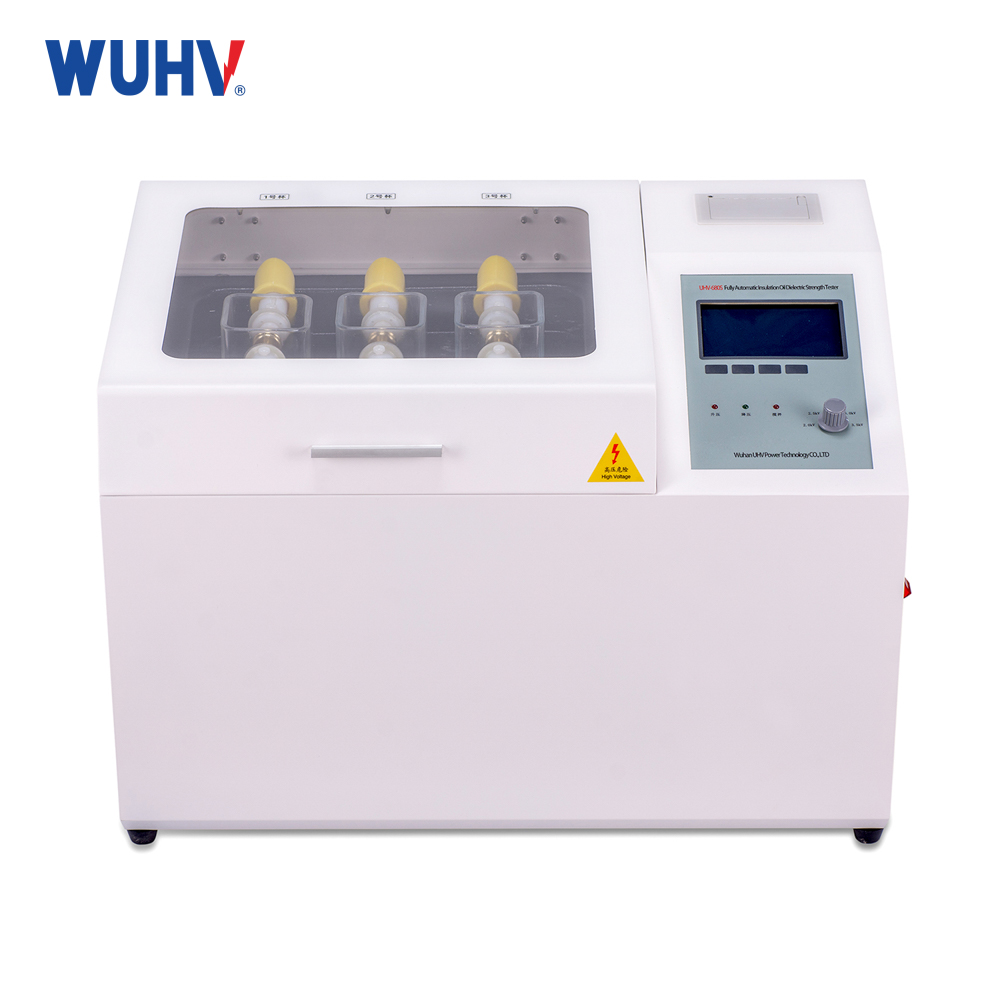
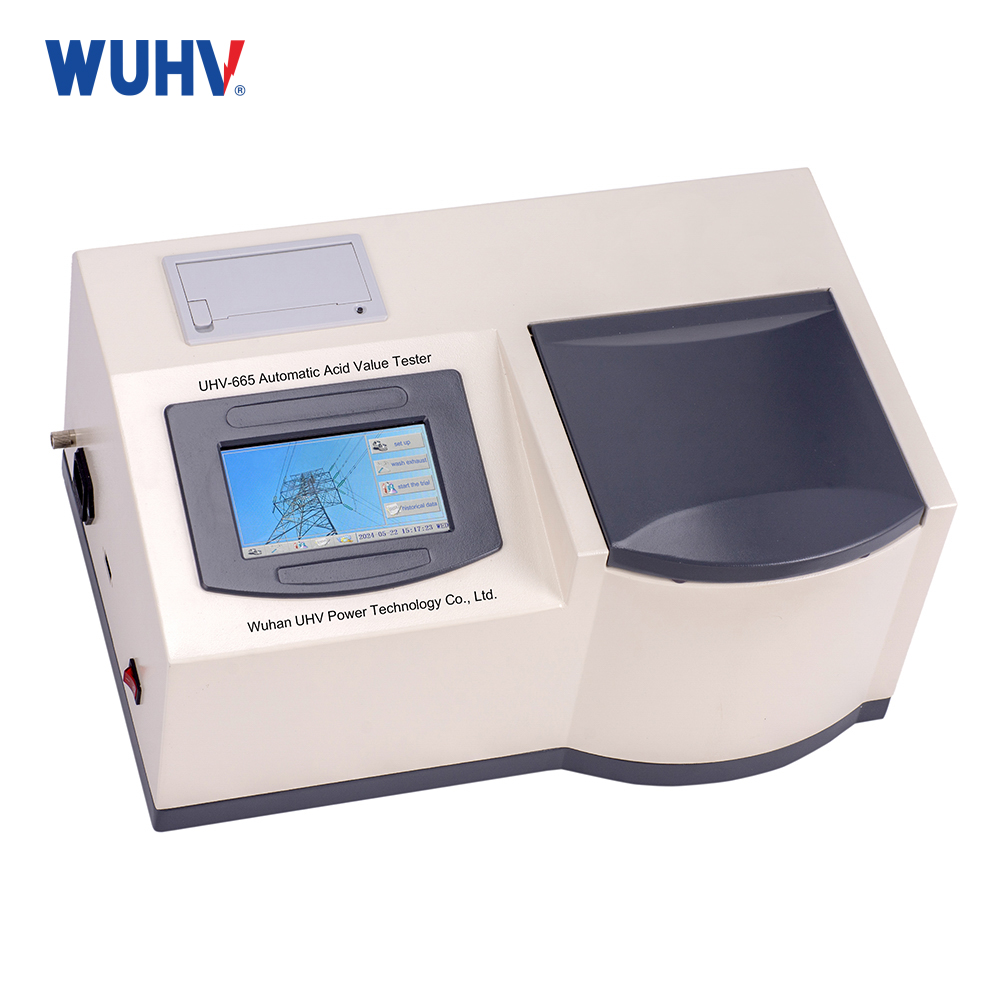
Product Overview
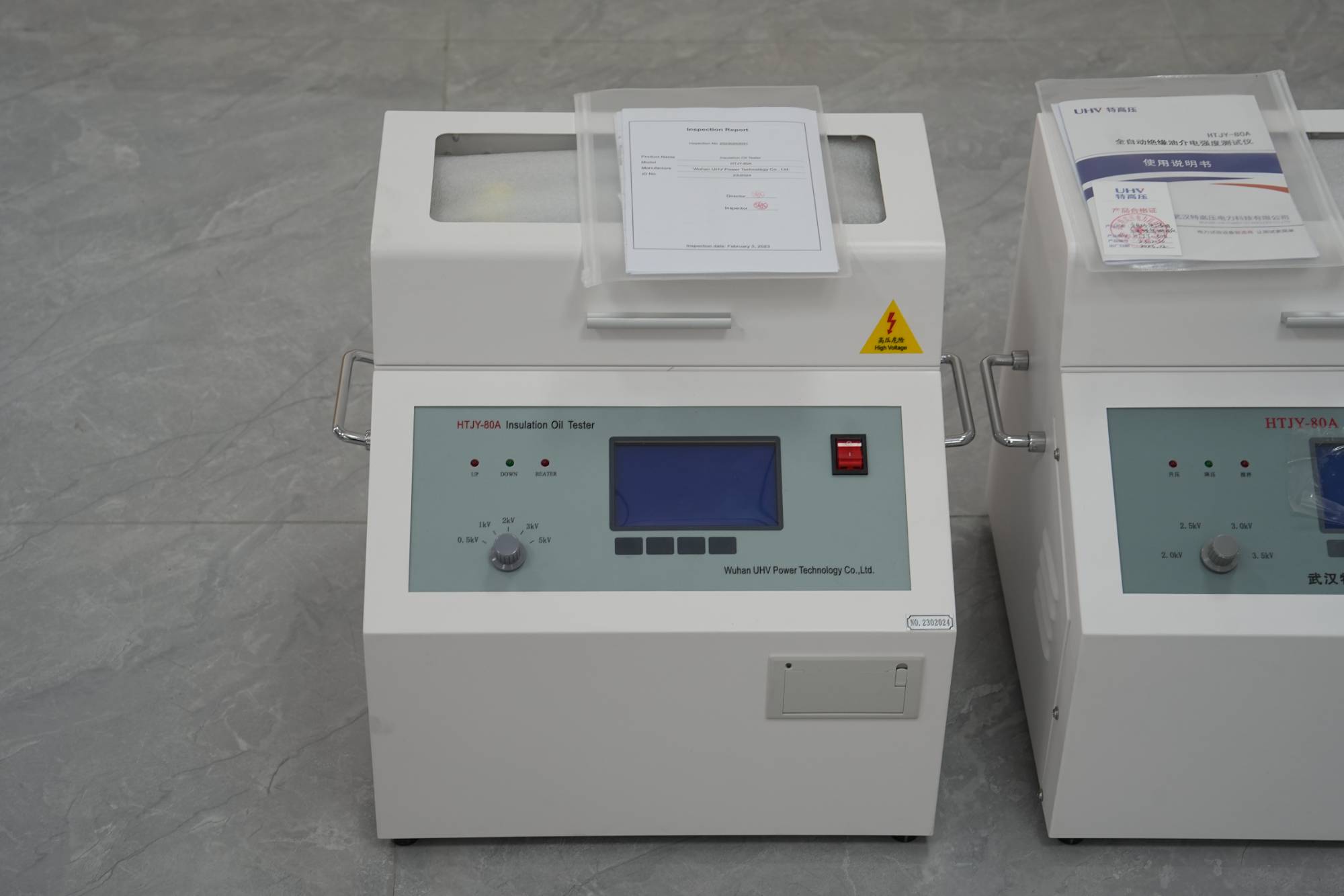
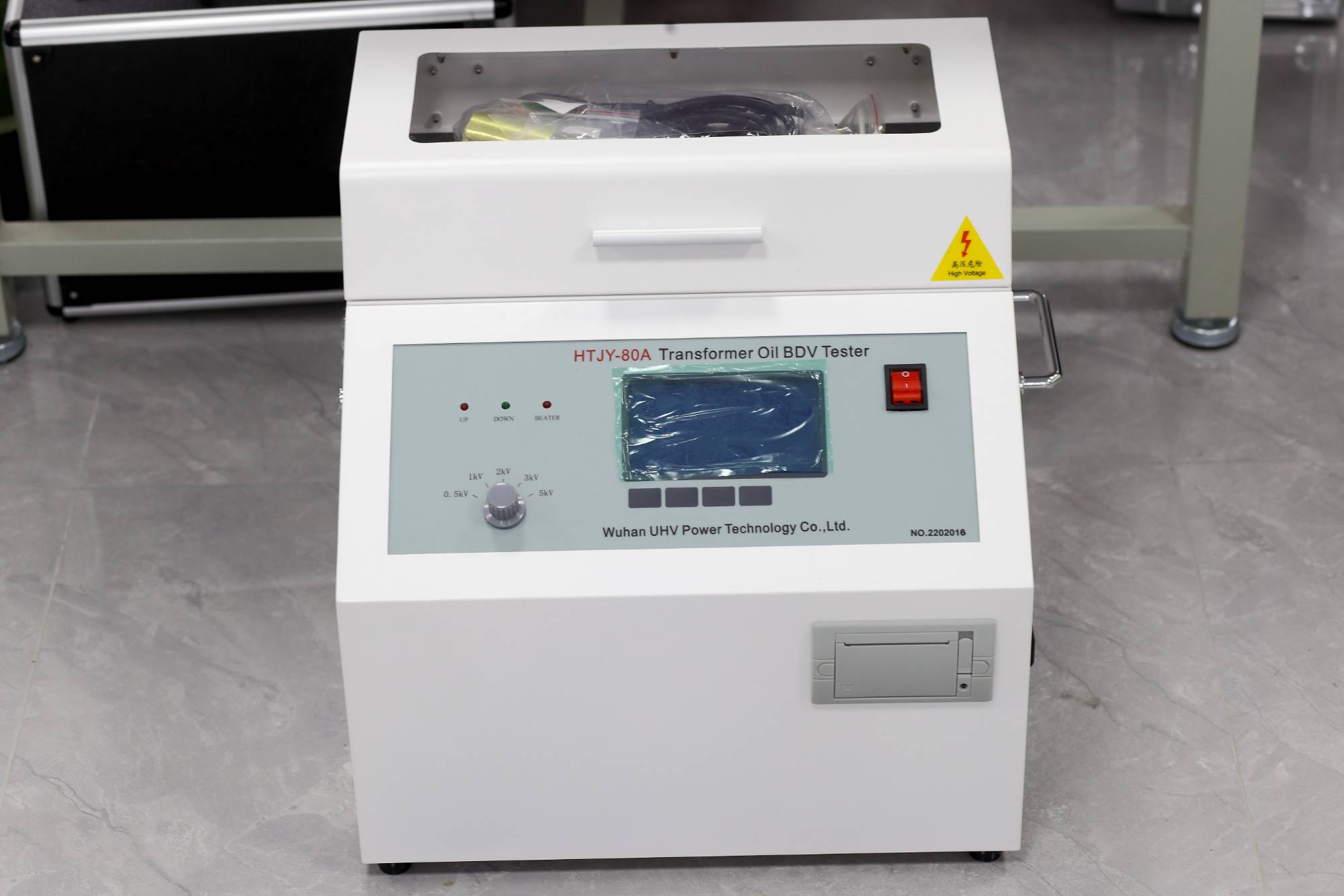
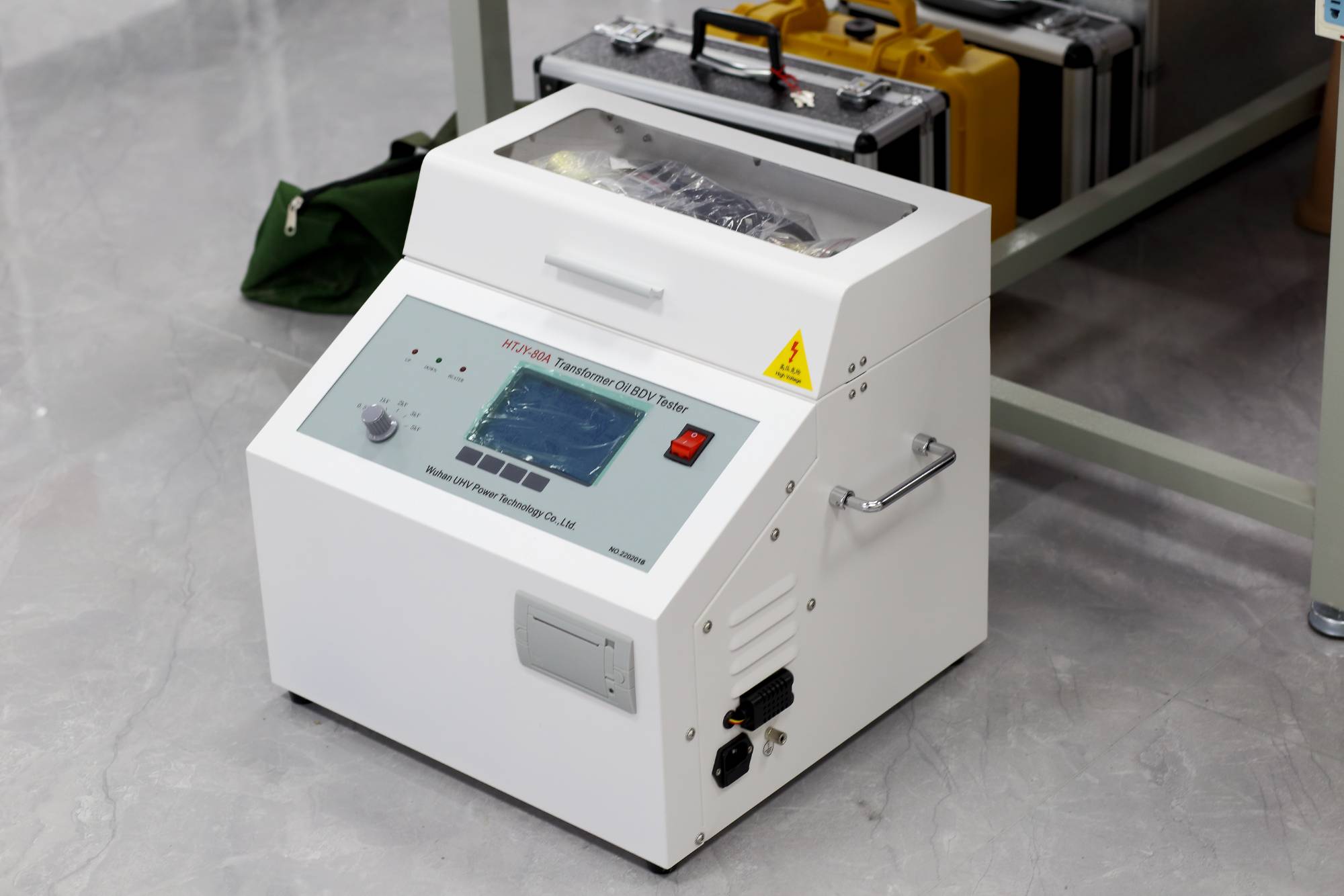
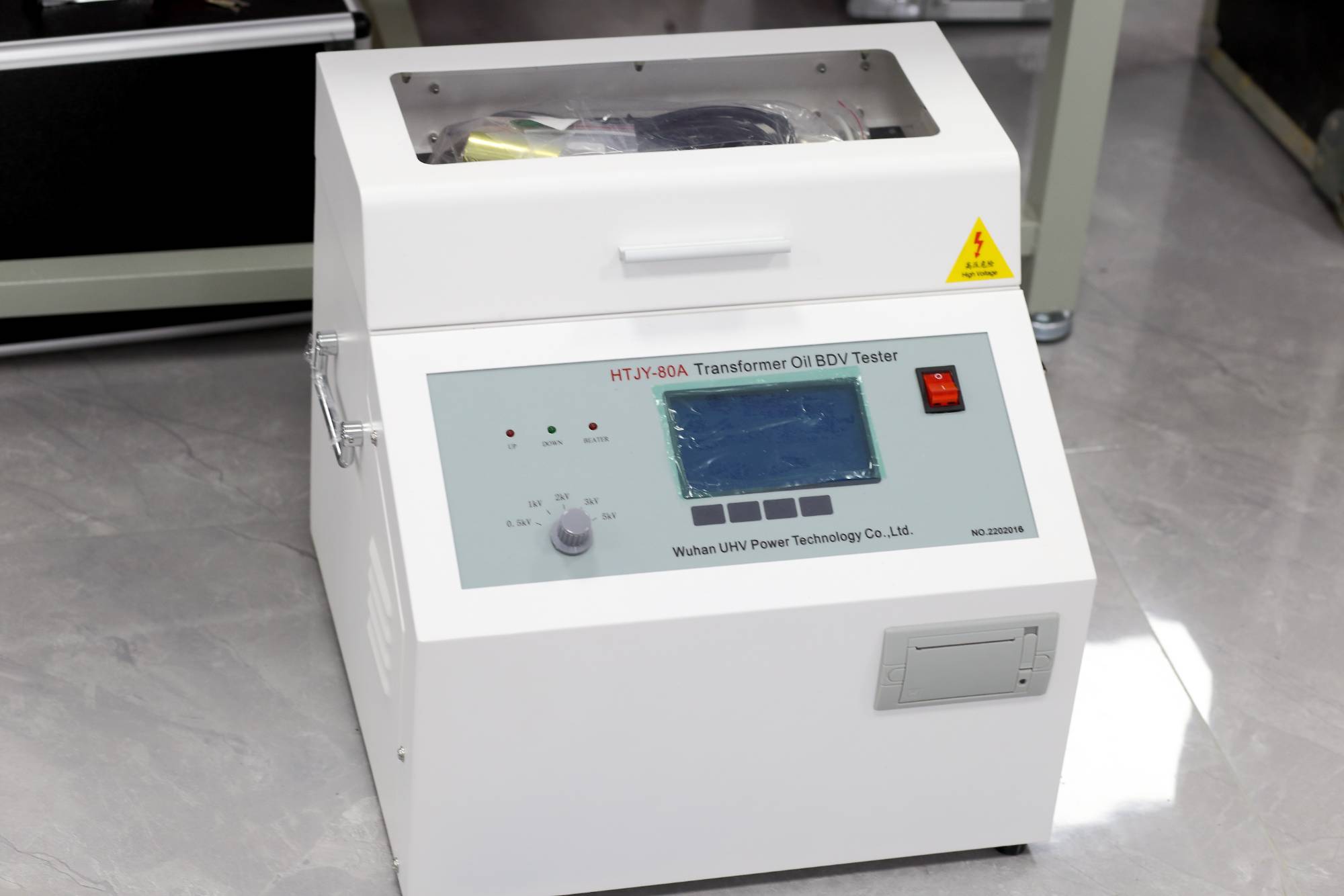
We are a professional manufacturer and supplier of high-voltage power testing equipment based in China.Our team of scientific and technical personnel has developed the UHV-680 Transformer Oil BDV Tester through extensive field testing and long-term unremitting research and development efforts. Designed in accordance with international standards including IEC156 as well as American standards ASTM D877 and ASTM D1816, this instrument represents a high-accuracy, fully digital automatic oil breakdown voltage tester.
Key Features:
High Precision & Digital Control: Utilizing advanced automatic digital computer control, the tester ensures high measurement accuracy with powerful anti-interference capability for safe and reliable operation.
User-Friendly Operation: The instrument is designed for ease of operation, featuring an attractive and ergonomic appearance.
Robust Performance: Built to deliver consistent and accurate results in various testing environments.
The UHV-680 combines our accumulated expertise in field testing with cutting-edge digital technology to provide a dependable solution for transformer oil breakdown voltage testing.
Product functions
1. Automatic breakdown voltage testing
Automatically detects the breakdown voltage and dielectric strength of transformer oil, accurately evaluating the insulation performance of insulating oil, and providing reliable data for oil quality testing and electrical equipment maintenance.
2. Fully automatic testing process
Automatically completes operations including voltage boosting, breakdown detection, voltage reduction, stirring, standing, data calculation, and result display, reducing manual intervention and improving testing efficiency and result consistency.
3. Multiple test modes
Supports test methods such as GB1986 and GB2002, and provides custom test modes, allowing flexible selection of test procedures according to different testing standards and actual requirements.
4. High-precision digital measurement
Adopts digital high-voltage sampling and A/D conversion technology, reducing errors caused by traditional analog circuits and achieving high-precision voltage measurement, improving the accuracy and reliability of test results.
5. Intelligent safety protection
Built-in overvoltage, overcurrent, and short-circuit protection functions, along with good anti-interference capability and electromagnetic compatibility, effectively ensuring the testing safety of equipment and operators.
Product Characteristics
1、Stable and Reliable Control: The instrument is controlled by a high-capacity single-chip microcomputer, ensuring stable and reliable operation.
2、Anti-Crash Protection: A built-in wide-range watchdog circuit effectively prevents system crashes, enhancing operational stability.
3、Flexible Operation Modes: The instrument program supports multiple testing options, including two national standard methods (GB1986 and GB2002), as well as a custom mode, accommodating the diverse needs of different users.
4、High-Quality Oil Cup: The oil cup is made of specially cast molded glass, preventing interference phenomena such as oil leakage during testing.
5、High Measurement Accuracy: A unique high-voltage sampling design allows test values to be fed directly into the A/D converter, eliminating errors associated with analog circuits and ensuring more precise measurement results.
6、Comprehensive Protection and Anti-Interference: The instrument features overcurrent, overvoltage, and short circuit protection functions. It also offers strong anti-interference capability and excellent electromagnetic compatibility.
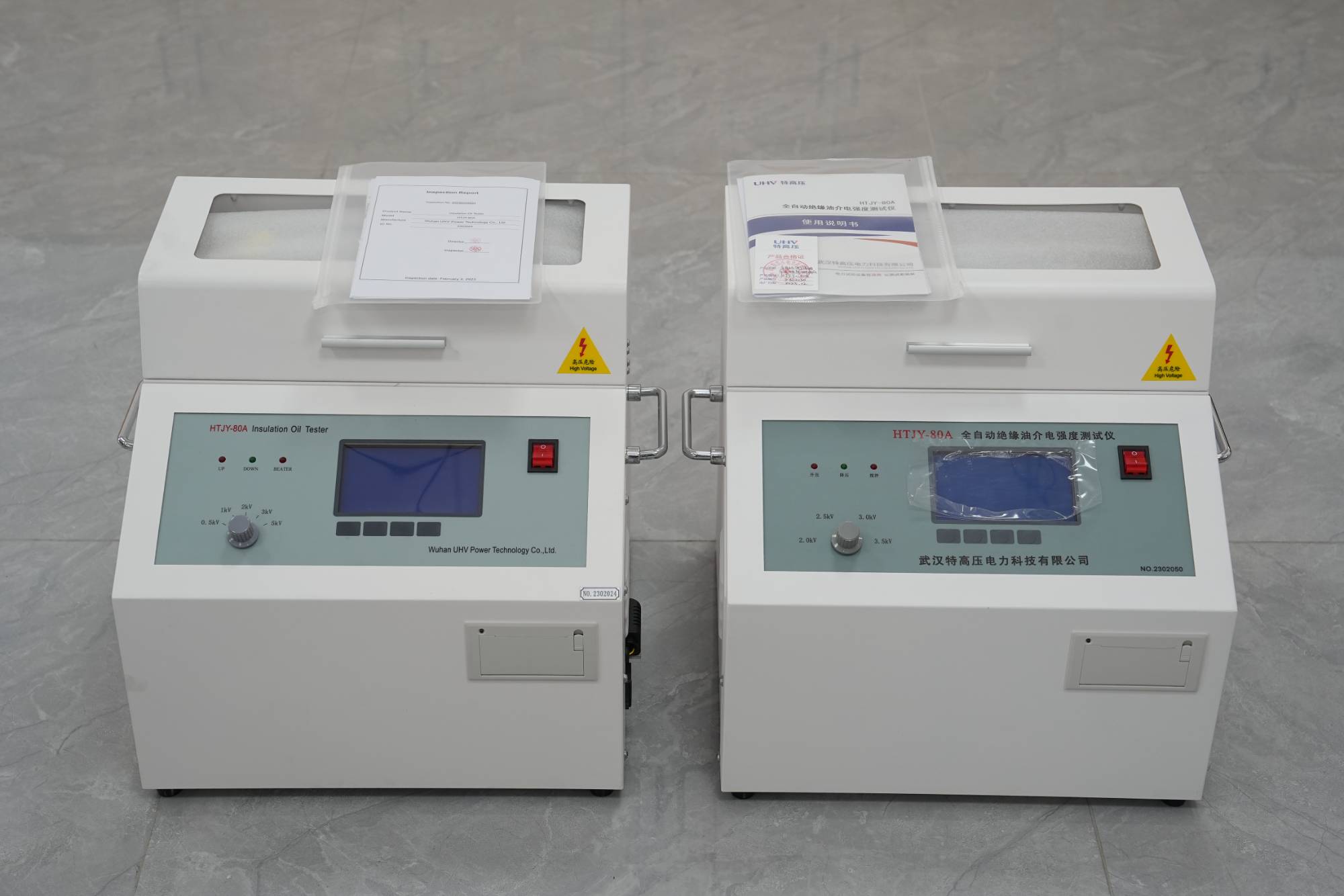
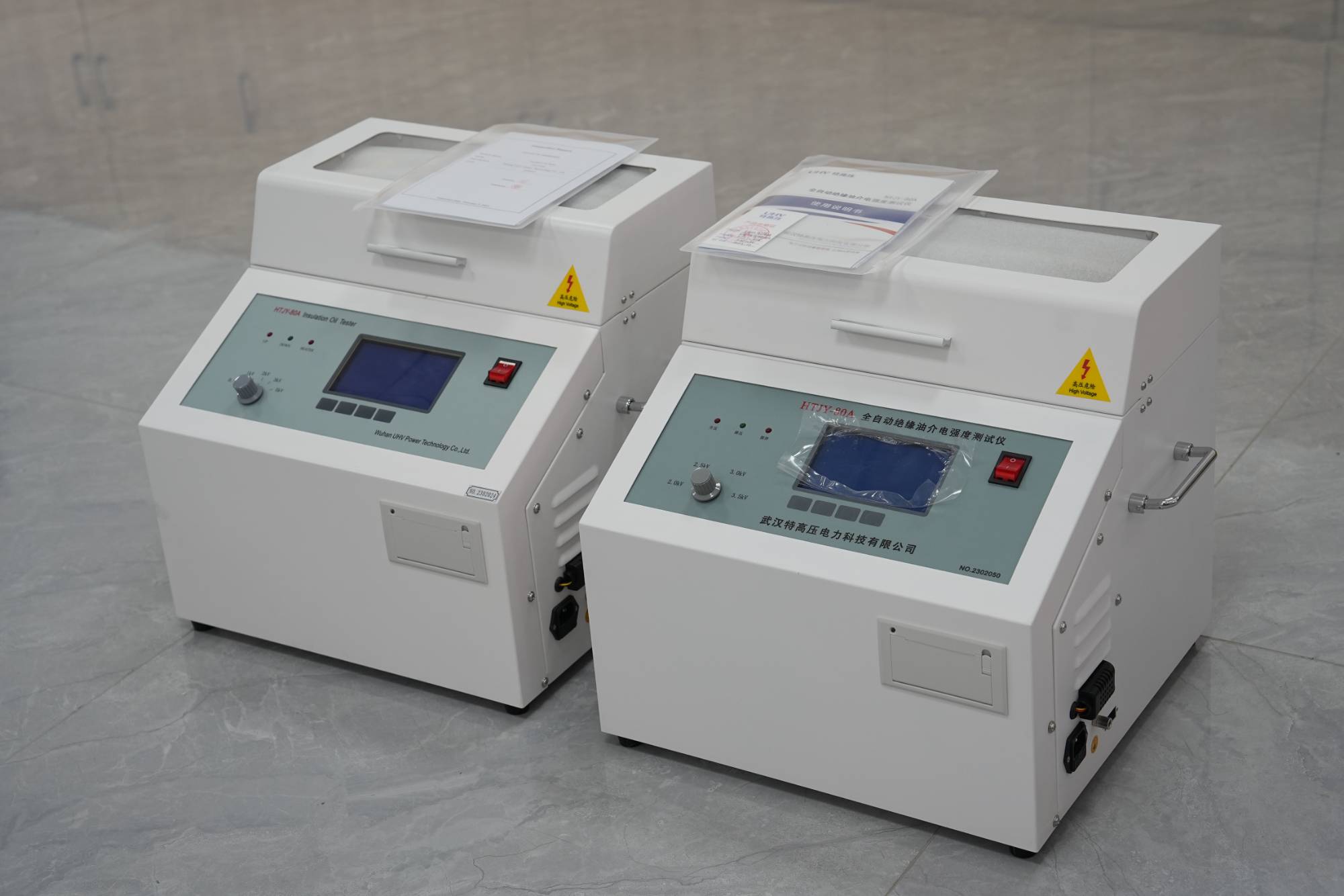
7、Portable and Convenient: With its portable structure, the instrument is easy to transport and suitable for both indoor and outdoor use.
 |  |  |
Parámetros técnicos
| Capacidad de refuerzo | 1,5kVA |
| Velocidad de refuerzo | 2.0,2.5,3.0,3.5kV/s(adjustable) |
| Tensión de salida | 0-80kV |
| Precisión de voltaje | ± (3% reading +2 words) |
| Tasa de distorsión de energía | <1% |
| Modo de visualización | Large screen LCD display |
| Espacio entre electrodos | Standard 2.5mm |
| Dimensiones de instalación | 409×393×388mm3 |
| Peso | 29kg |
Condiciones de Uso
| Temperatura ambiental | 0℃~+40℃ |
| Humedad relativa | <85% |
| Fuente de alimentación | AC 220V ± 10%,50Hz ± 5Hz |
| El consumo de energía | <200W |
 |  |  |
Function and Application Fields
1. Power industry: Regularly inspect the insulation oil in large transformers and other oil filled electrical equipment in power plants, substations, and other places. Because the dielectric strength of insulating oil is directly related to the insulation performance of equipment, if the dielectric strength decreases, it may indicate the deterioration of oil quality or potential faults inside the equipment. Timely detection can ensure the safe and reliable operation of power equipment and avoid accidents such as power outages caused by insulation faults.
2. Petrochemical industry: Quality control is carried out on various insulation oil products during production and storage processes, to verify whether they meet the corresponding dielectric strength standards and ensure that product quality meets subsequent usage requirements, such as oil products used for electrical equipment lubrication, insulation, and other purposes.
3. Research and quality inspection institutions: Conduct research on the performance of insulation oil, or conduct quality supervision and testing on insulation oil from different sources and batches. Through methods such as dielectric strength testing, provide key data support for product development, quality assessment, etc.
Daily maintenance and upkeep
After the experiment is completed, promptly pour out the waste oil, clean the oil cup and dry it to avoid corrosion of the electrode.
Place the electrodes properly when not in use to prevent collisions and scratches on the working surface.
Regularly calibrate voltage and electrode spacing to ensure accurate measurement.
The instrument should be kept dry and ventilated, and if not in use for a long time, it should be regularly powered on to remove moisture.
LCD screens and keyboards should avoid being scratched by hard objects and should not be wiped with strong solvents.
Frequently Asked Questions
1. What factors can cause inaccurate results in the dielectric strength test of oil insulation oil?
Oil sample contamination before testing, unclean test cups, uncalibrated instruments, improper operation, etc. may all lead to result deviations.
2. What affects the measurement results of the dielectric strength tester for insulating oil?
In addition to the performance of the insulating oil itself, the temperature and humidity of the testing environment, the cleanliness of the testing electrodes, and the standardization of the operators will all have a certain impact on the measurement results.
3. Why does insulating oil deteriorate?
The deterioration of insulating oil is mainly due to the influence of high temperature, oxygen, moisture, metal catalysts and other factors during operation, resulting in chemical reactions such as oxidation and hydrolysis, leading to a decrease in oil performance.
4. Are there many types of dielectric strength testers for insulating oil on the market?
Yes, there are various types of testers on the market based on different needs and technical characteristics, such as fully automatic, semi-automatic, portable, etc.
5. Besides dielectric strength, what other important testing indicators are there for insulating oil?
In addition to dielectric strength, the moisture content, acid value, flash point, viscosity, density, and chromaticity of insulating oil are also very important detection indicators, which together reflect the comprehensive performance of insulating oil.
6. Where can I find a reliable dielectric strength tester for insulating oil?
You can consider manufacturers like Wuhan UHV Power Technology Co., Ltd., which have a good industry reputation and technical strength. Their products are usually guaranteed in terms of quality and after-sales service.