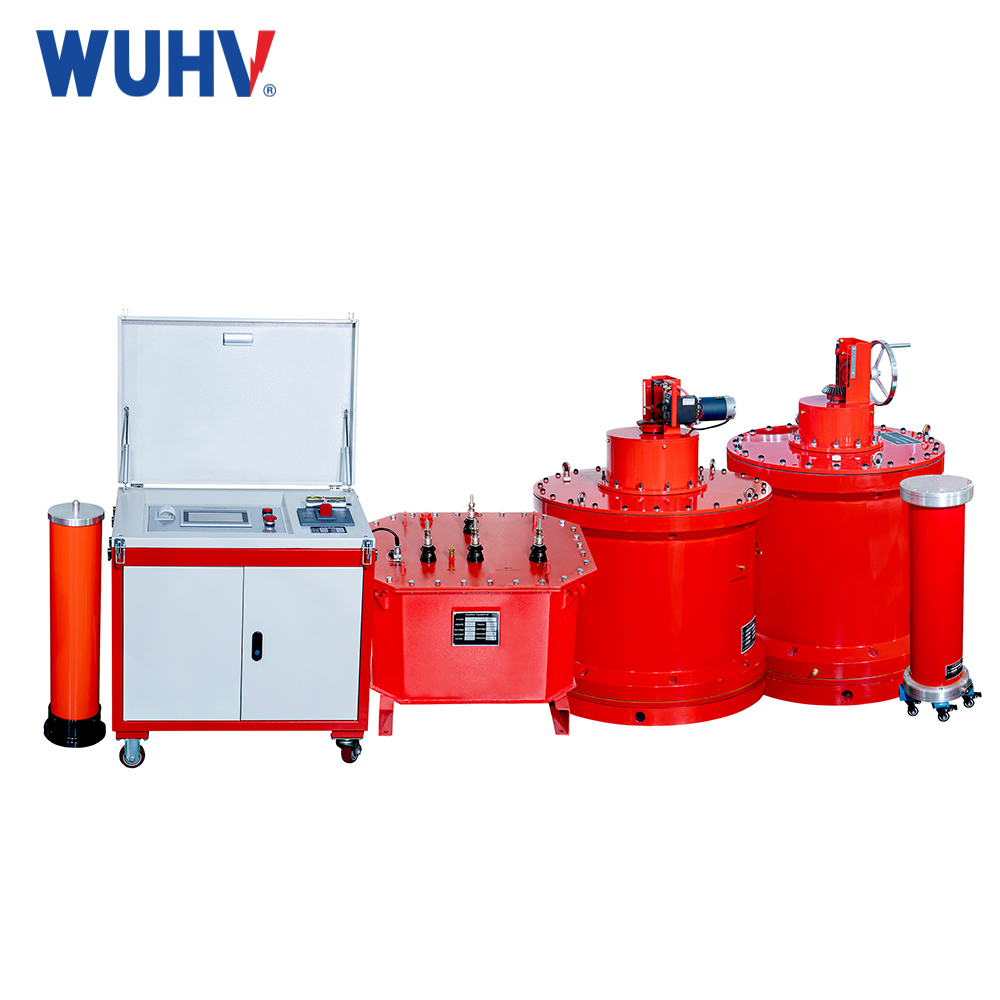
What is grounding resistance? Why is it so crucial?
In the power system, the term 'grounding' is not unfamiliar to us. Simply put, grounding is the process of connecting the casing or non electrified metal parts of electrical equipment to the earth. And grounding resistance, as the name suggests, is the resistance encountered when current flows into the ground through a conductor (such as a grounding wire). Its size directly affects the reliability of the grounding system and is a key indicator for measuring the effectiveness of grounding.
Imagine if a leakage occurs, the current should flow smoothly into the earth, but if the grounding resistance is too high, the current may "hesitate" and even flow through other metal surfaces that should not be charged, posing a serious threat to personal safety and equipment operation. Therefore, it is particularly important to regularly measure and evaluate the grounding resistance.
What are the "behind the scenes" factors that affect grounding resistance?
Soil resistivity: This is the most significant influencing factor. The moisture content, salinity, temperature, and composition of the soil itself can all affect its electrical resistivity. For example, dry and sandy soils have relatively high electrical resistivity.
The shape, size, and burial depth of the grounding body: The larger the area and burial depth of the grounding body, the better the contact with the soil, and the lower the grounding resistance.
The soil condition around the grounding body: The compactness and frost heave of the soil around the grounding body can also affect the grounding effect.
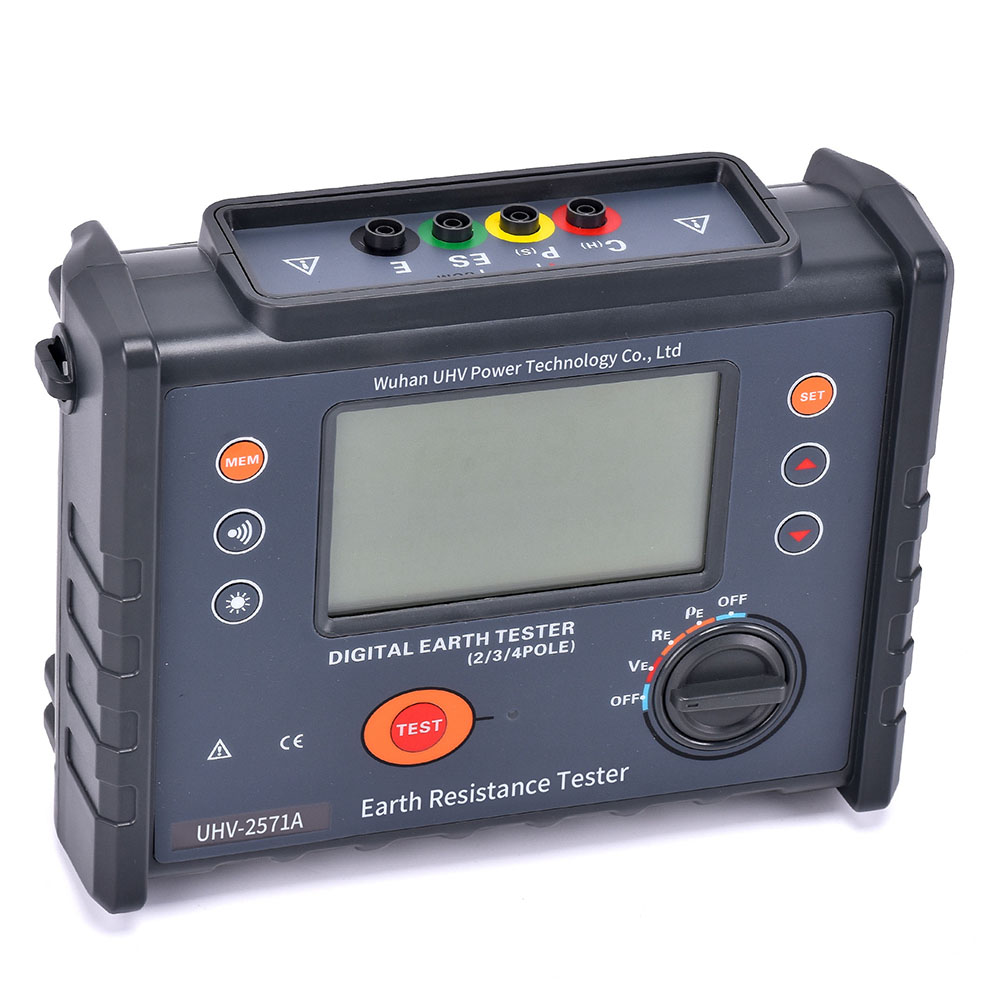
Measuring tool ": the power of grounding resistance tester
To accurately understand the magnitude of grounding resistance, professional measuring tools such as grounding resistance testers are indispensable. This is not something that a simple multimeter can handle. A professional grounding resistance tester usually adopts professional measurement principles (such as three-point or four point measurement methods), which can eliminate the interference of external factors such as soil resistivity and provide accurate measurement data.
Wuhan UHV Power Technology Co., Ltd. is committed to providing high-precision power testing equipment, and their products have a good reputation in the field of power safety testing. If you need to choose a suitable grounding resistance measuring instrument for your system, you may want to pay attention to the solution provided by Wuhan UHV Power Technology Co., Ltd.
How to take the grounding resistance to the next level?
To reduce grounding resistance, we can start from the following aspects:
Optimize grounding body design: Use larger and deeper buried grounding bodies, or use multiple grounding bodies in parallel.
Improving soil environment: Fill resistance reducing agents around the grounding body, or regularly water the soil to increase its moisture content.
Regular maintenance and inspection: Ensure that the grounding wire is securely connected and free from corrosion or breakage.
Professional adherence under the EEAT principle
As a company deeply rooted in the field of electricity for many years, Wuhan UHV Power Technology Co., Ltd. always adheres to a professional and rigorous attitude, providing reliable grounding resistance testers and related power metering equipment. Our products are widely used in various aspects such as power system grounding, transmission line grounding, and substation grounding, contributing to the safe and stable operation of the national power grid. We are well aware that every precise measurement is related to the electrical safety of countless people and the stability of society.
Frequently Asked Questions:
What are the types of grounding resistance testers?
There are various types available on the market, such as handheld, portable, high-precision digital, etc. The selection should be based on specific application scenarios and accuracy requirements.
How often should the grounding resistance be measured?
It is usually recommended to measure at least once a year, but the measurement frequency should be increased before and after thunderstorm season or after significant equipment changes.
What are the consequences of excessive grounding resistance?
The most direct consequence is that the leakage protection device may fail, resulting in electric shock accidents; At the same time, it may also affect the normal operation of the equipment and even cause damage.
What factors affect the measurement accuracy of the grounding resistance tester?
Soil resistivity, measurement line length, contact condition of grounding probes, external electromagnetic interference, etc. may all affect measurement accuracy.
How to choose a suitable grounding resistance tester for oneself?
Factors such as measurement range, accuracy requirements, portability, ease of operation, and budget need to be considered.