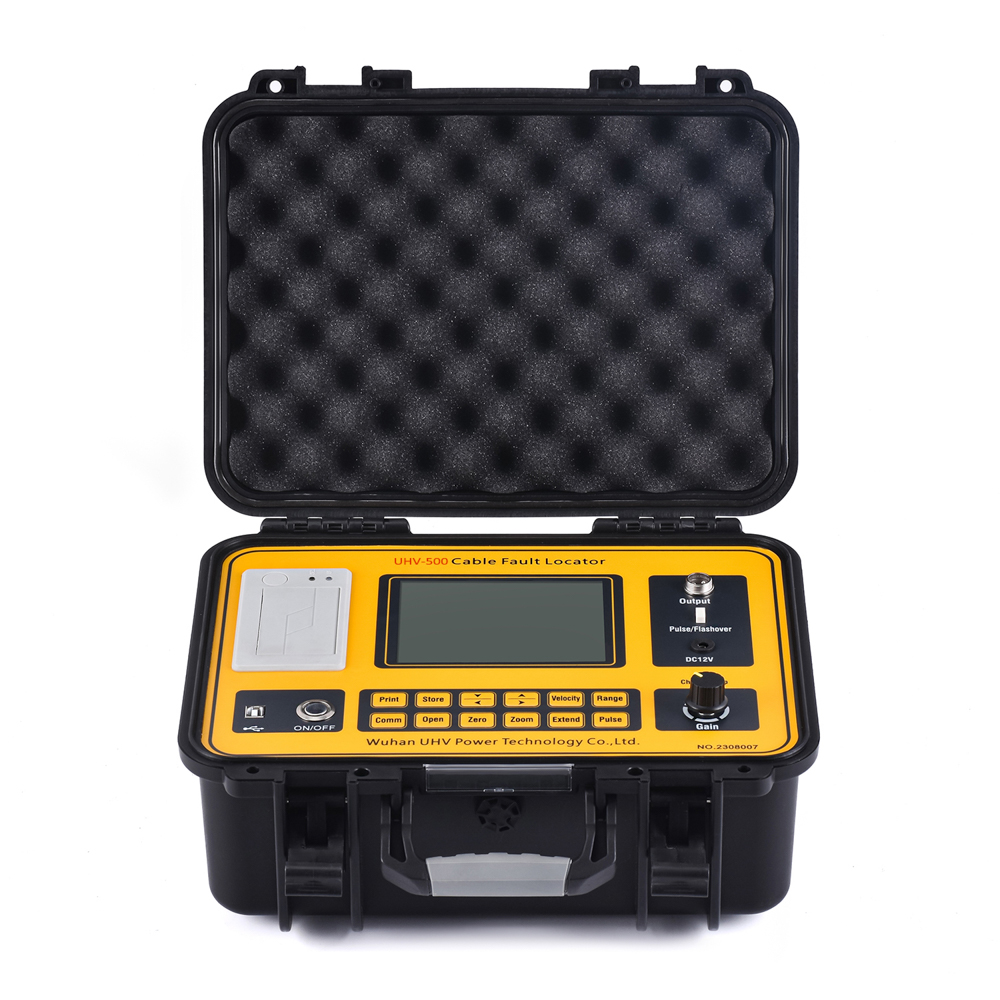
In the operation of the power system, cable faults are like a sudden "cold". Although not fatal, improper handling can trigger a series of chain reactions, leading to widespread power outages and affecting production and life. In the past, locating cable faults often felt like groping in the dark, time-consuming and laborious, and even required digging three feet to find the problem. But now, with the advancement of technology, the emergence of "power cable fault rangefinders" has completely changed this situation!
What factors can affect the accuracy of fault location?
To achieve precise positioning, it is essential to have an understanding of the influencing factors. The type, length, insulation material, and nature of the fault (such as resistive fault or low resistance fault) of the cable will directly affect the reading of the rangefinder. External electromagnetic interference, the depth of buried cables, and the surrounding environment may also bring some "small incidents" to the measurement. Therefore, operators need to possess certain professional knowledge in order to maximize the accuracy of distance measurement in various complex environments.
What tools can help us?
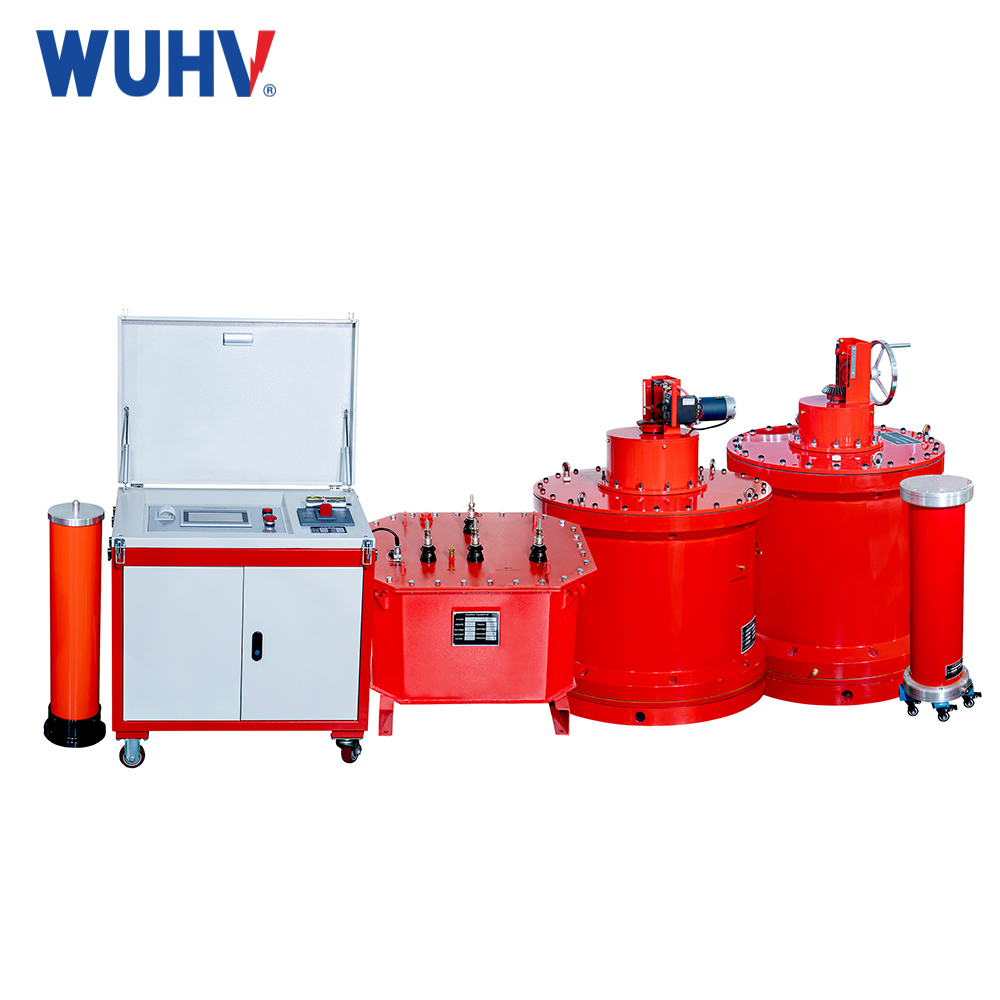
In addition to the advanced power cable fault rangefinder developed by Wuhan UHV Power Technology Co., Ltd., we also need some auxiliary tools to add icing on the cake. For example, high-voltage generators, signal generators, impulse voltage generators, etc. can be used in conjunction with rangefinders to generate specific signals that help the instrument better identify and analyze faults. On the website of Wuhan UHV Power Technology Co., Ltd., you can find more information about these professional equipment.
What technologies are closely related to fault location?
The technology of fault location for power cables is ultimately a comprehensive science. It has intricate connections with electromagnetics, signal processing, the principle of pulse reflection (TDR), and the theory of radio wave propagation. Different types of faults may require different ranging principles and methods. For example, pulse reflection method is like shouting into a valley and listening to the echo to determine distance, by sending pulse signals and analyzing their reflection to locate faults.
How can we do better?
To do better in fault location of power cables, it is not only necessary to rely on advanced equipment, but also to pay attention to professional training and experience accumulation of personnel. Wuhan UHV Power Technology Co., Ltd. has been committed to providing high-quality power equipment and technical support to help users better master these technologies. Practical exercises, case analysis, and continuous learning of new ranging techniques and methods are all key to improving "ranging ability".
Frequently Asked Questions (FAQ)
Can the power cable fault rangefinder detect all types of faults? Different models of rangefinders may have different types of applicable faults, but mainstream equipment can effectively measure a wide range of fault types, including open circuit, short circuit, grounding, etc.
How accurate is the rangefinder? The accuracy of the equipment can usually reach the meter level, which is sufficient for fast positioning in actual repair work.
Is this instrument complicated to operate? Although it is a professional instrument, the design of modern equipment is becoming increasingly user-friendly, and with professional training, the operation is relatively easy to master.
Why is fault location so important? It can greatly shorten the time for fault diagnosis, reduce the scope and duration of power outages, lower repair costs, and ensure the stability of power supply.
Besides the device itself, what other factors can affect the ranging effect? The laying environment of cables, the experience of operators, and the specific form of the fault point will all have a certain impact on the ranging results.