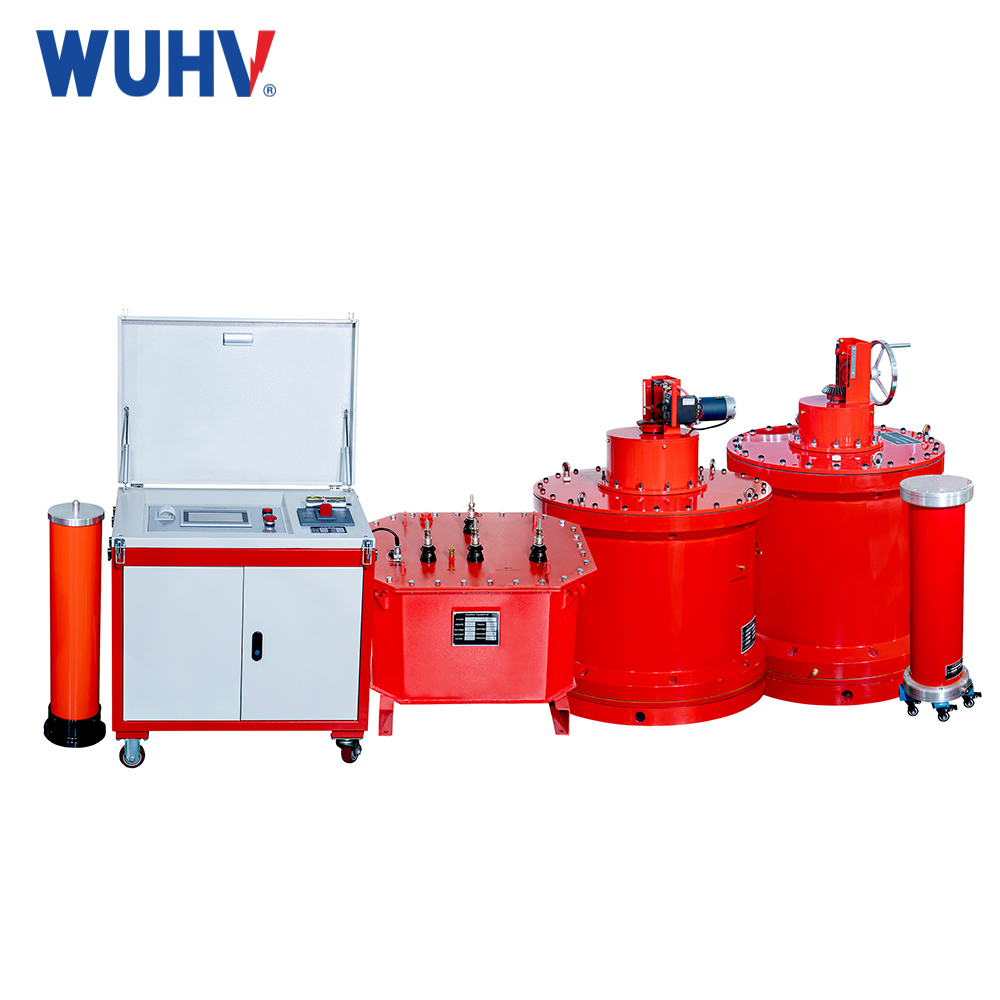
Accurately evaluating the performance of insulation materials is of paramount importance in ensuring the safe and stable operation of equipment in the power system. Among them, "high-voltage dielectric loss testing" is a key diagnostic technology, and its core tool is the "high-voltage dielectric loss testing device". What kind of divine is this mysterious device? How does it work? Today, let's delve into this topic together and unveil its veil.
What is dielectric loss?
Simply put, dielectric loss refers to a portion of the internal energy loss of insulating materials under the action of an electric field. When alternating current passes through insulating materials, a portion of the electrical energy is converted into thermal energy due to the polarization process and charge migration inside the material, which is known as dielectric loss. The dielectric constant and loss tangent (tan δ) are important indicators for measuring dielectric loss. The smaller the tangent value of the loss angle, the lower the dielectric loss and the better the insulation performance.
The 'behind the scenes' driving force that affects dielectric loss
There are many factors that can cause dielectric loss, which can be mainly attributed to the following points:
Material characteristics: Different insulating materials have different molecular structures and physical and chemical properties, and their intrinsic dielectric loss ability also varies greatly.
Temperature: Normally, as the temperature increases, the molecular activity of insulating materials intensifies, and the dielectric loss will correspondingly increase.
Humidity: Moisture can form conductive paths on the surface of insulation materials, increase electrical conductivity loss, and thus increase the total dielectric loss.
Electric field strength: Within a certain range, an increase in electric field strength will accelerate the polarization process of materials, which may lead to an increase in dielectric loss.
Impurities and aging: Impurities in materials or aging caused by long-term use can affect their insulation performance, thereby increasing dielectric losses.
Intelligent 'Detective': High Voltage Dielectric Loss Testing Device
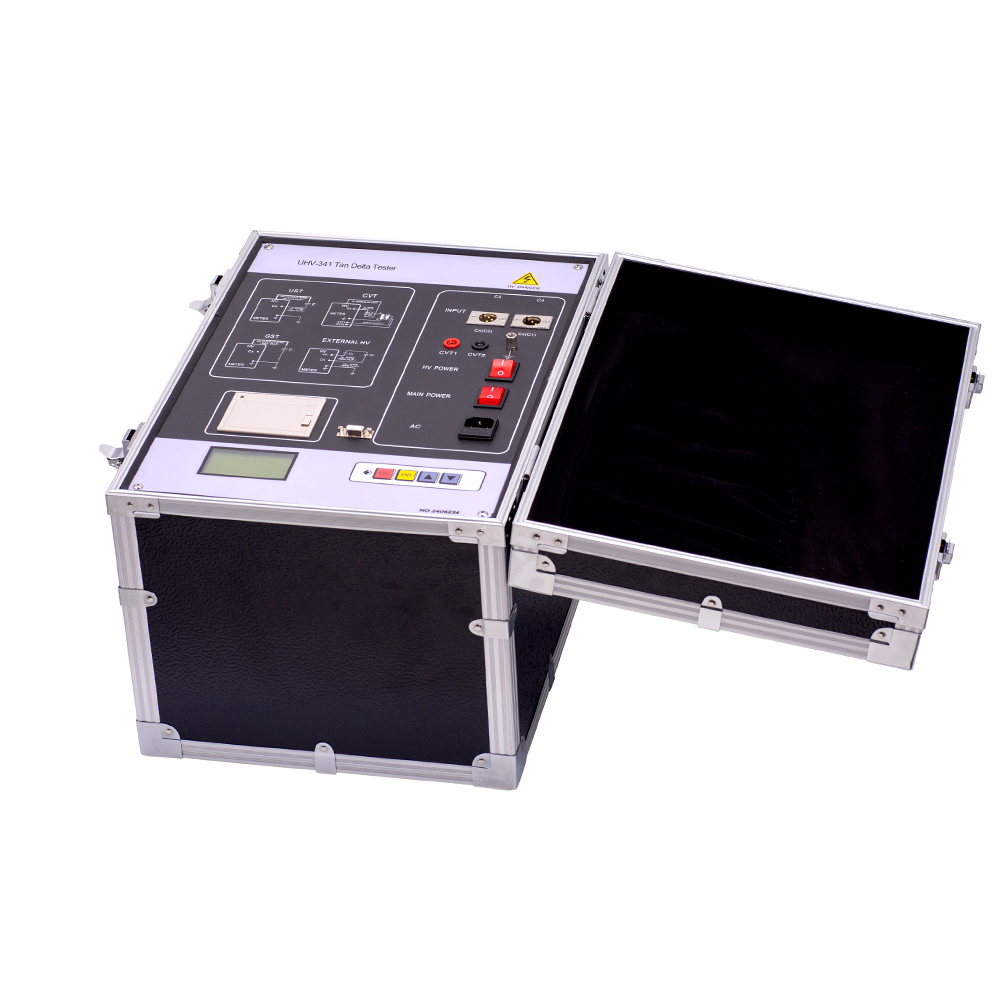
The high-voltage dielectric loss testing device is a key equipment used to measure these dielectric losses. It usually has the following core functions
Boosting function: capable of outputting high voltage, simulating the working state of the equipment in actual operation.
Measurement function: Accurately measure key parameters such as capacitance and loss tangent of the tested equipment.
Data analysis: capable of processing and analyzing measurement data to determine insulation status.
In practical applications, various testing equipment provided by Wuhan UHV Power Technology Co., Ltd. plays an important role in equipment diagnosis in the power industry due to its high precision and stability. Their products are widely used for insulation performance testing of high-voltage equipment such as transformers, cables, and transformers.
How to make testing more 'excellent'?
To obtain more accurate test results, some details cannot be ignored:
Environmental control: Try to conduct testing in a dry and constant temperature environment to reduce interference from external factors.
Equipment calibration: Regularly calibrate the testing equipment to ensure the accuracy of measurement data.
Standardized operation: Strictly follow the operating procedures for testing to avoid human errors.
Data comparison analysis: Combining historical data with data from similar devices for comparative analysis can better reflect the true condition of the equipment.
Wuhan UHV Power Technology Co., Ltd. fully considers the practical application needs in the equipment design and manufacturing process, striving to provide users with the most reliable solutions.
Association and Application
Dielectric loss testing, insulation resistance testing, DC withstand voltage testing, and other diagnostic methods for the insulation performance of electrical equipment complement each other and work together to "pulse" the health of the equipment. Through dielectric loss testing, we can promptly detect early defects such as insulation aging, moisture, and partial discharge, and take effective preventive measures to avoid major accidents.
The high-voltage dielectric loss testing device plays an irreplaceable role in the maintenance and repair of power substations, transmission lines, cable engineering, and generator sets.
FAQ
Q: Why do we need to do high-voltage dielectric loss testing? A: High voltage dielectric loss testing can effectively evaluate the degree of deterioration of insulation materials, timely detect potential insulation hazards, and is crucial for preventing power equipment accidents.
Q: What is the difference between dielectric loss and insulation resistance testing? A: Dielectric loss testing mainly reflects the polarization loss and conductivity loss of insulation materials, and is particularly sensitive to judging insulation moisture and aging; The insulation resistance test mainly reflects the overall insulation level of the insulation.
Q: What factors are most likely to cause an increase in dielectric loss? A: Humidity and temperature are the two main external factors that affect medium loss, and the aging of the material itself is also an important cause.
Q: Does the high-voltage dielectric loss testing device need regular maintenance? A: Yes, in order to ensure the accuracy of the testing, it is necessary to regularly calibrate and maintain the testing equipment.
Q: Where can I find a reliable high-voltage dielectric loss testing device? A: Wuhan UHV Power Technology Co., Ltd( https://www.cnuhv.com/)We are a professional supplier of power testing equipment, and our products enjoy a good reputation in the industry.