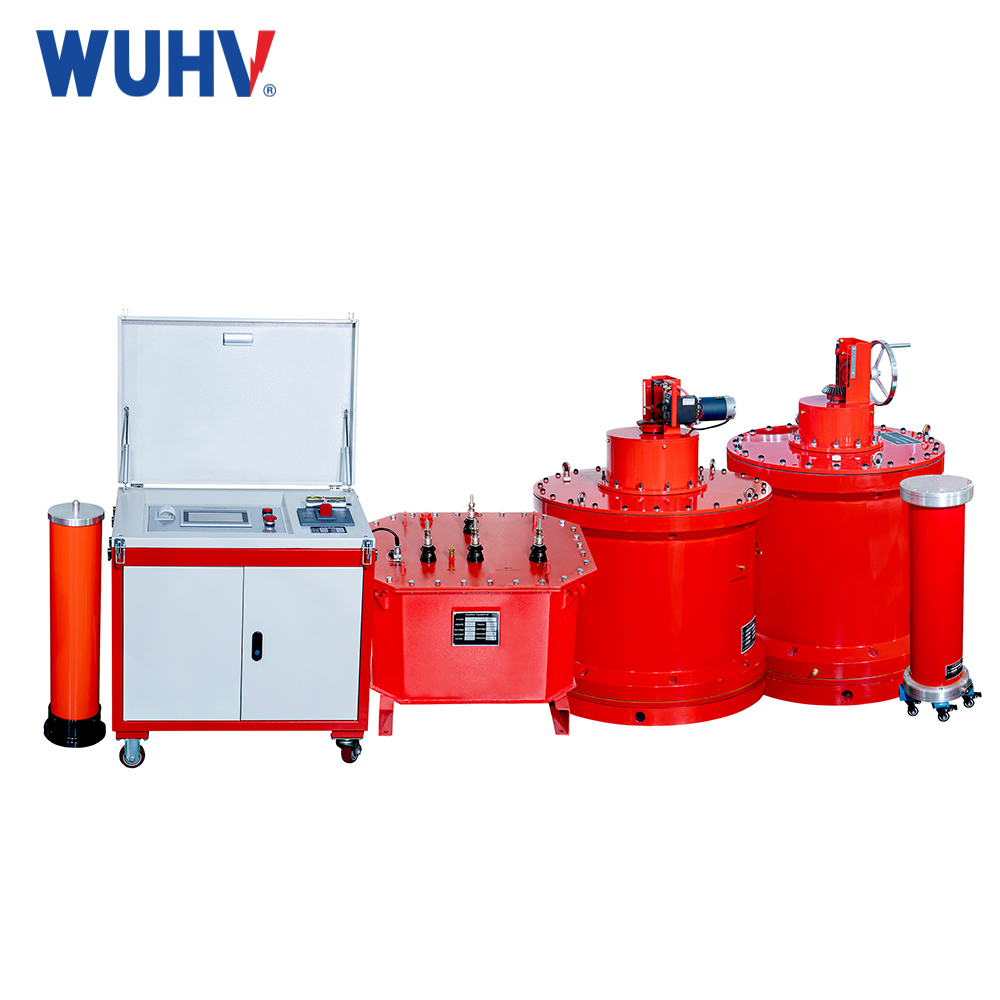
In the power system, the "health" status of equipment is directly related to the stable operation of the entire power grid. We often hear the term 'partial discharge', which is like a hidden 'small problem' inside electrical equipment. If not detected and dealt with in a timely manner, it may lead to a major disaster. What tools are available to "listen" to the "whispers" inside these devices? The answer is - high-frequency partial discharge detector. Today, let's step into the world of electric "health checkups" together.
What is high-frequency partial discharge?
Give a brief science popularization. Partial discharge refers to the discharge phenomenon that occurs in a specific local area between electrodes or between electrodes and a medium in a solid, liquid, or gas dielectric. It usually occurs at defects in insulating media, such as air gaps, impurities, or cracks. These discharges do not run through the entire electrode, so they are called 'local'.
And high frequency, as the name suggests, refers to a series of high-frequency electromagnetic pulse signals generated during these partial discharge processes. These signals are like "noise" emitted during discharge, with frequencies typically ranging from a few hundred kHz to several MHz, or even higher.
What are the "behind the scenes drivers" that affect partial discharge?
To make the detection more accurate, it is necessary to know which factors will cause trouble. There are many factors that affect partial discharge, including:
Defects in insulation materials: bubbles, impurities, internal cracks, etc. during the manufacturing process.
Uneven distribution of electric field: Poor electrode shape design, uneven surface, improper installation, etc., can easily form strong electric fields in certain areas.
Environmental factors such as humidity, temperature, dust, and chemical corrosion may all reduce insulation performance.
Operating conditions: Overvoltage, mechanical stress, thermal stress, etc., can all accelerate insulation aging.
How to 'auscultate' the sound inside the device?
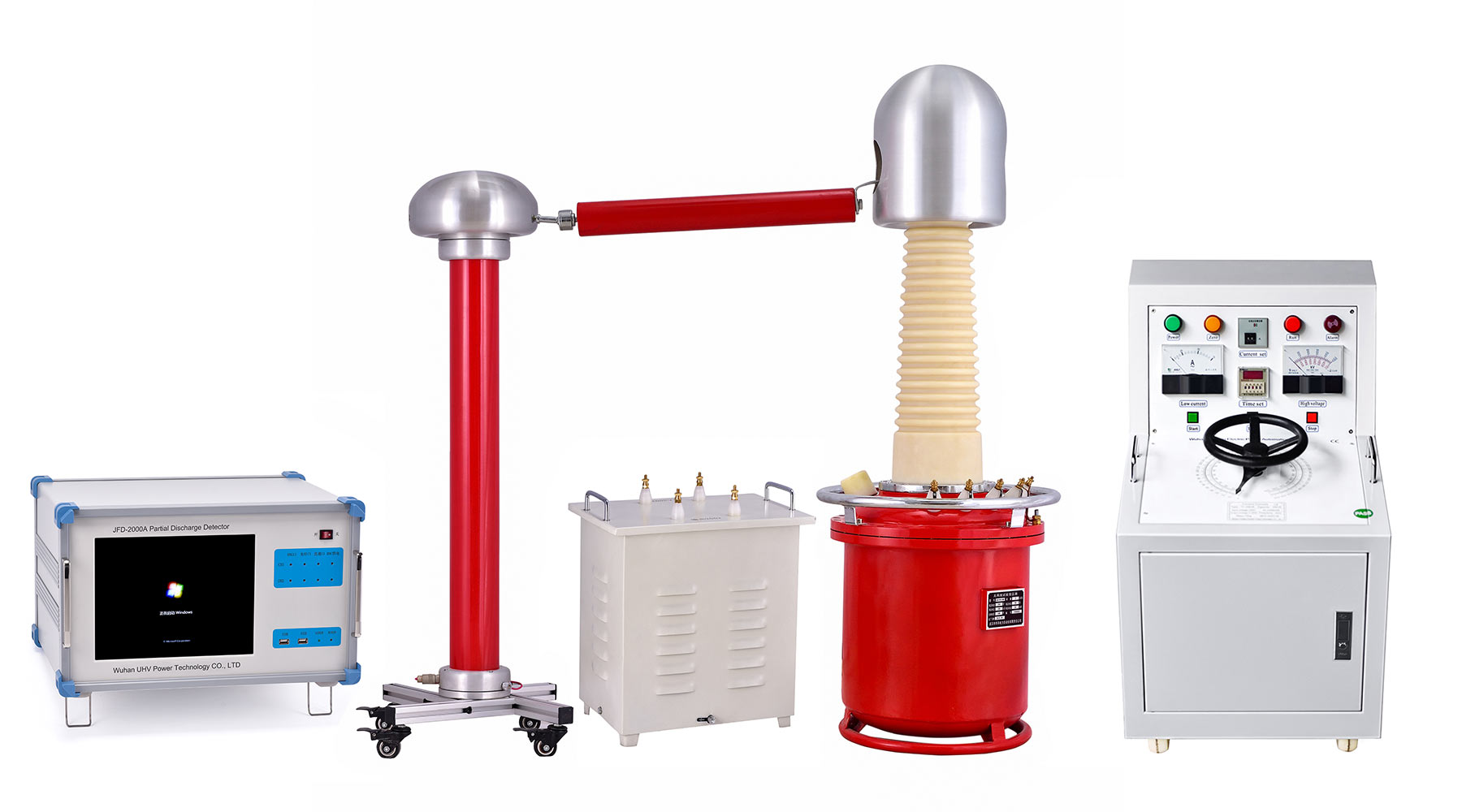
The high-frequency partial discharge detector is a "secret weapon" specifically designed to "capture" and "analyze" these high-frequency discharge pulses. Its core principle is to use the instantaneous high-frequency current pulse generated by partial discharge, pick up the signal through high-frequency sensors (such as coupling capacitors, antennas, etc.), and then amplify, filter, digitally sample and analyze the signal, finally presenting the intensity, frequency, position and other information of the discharge.
Wuhan UHV Power Technology Co., Ltd. has a profound technical accumulation in this field, and its developed detection equipment can accurately capture weak partial discharge signals, providing reliable basis for early fault diagnosis of power equipment.
What "tools" can we use?
There are many excellent high-frequency partial discharge detection instruments on the market, each with its own focus on design and function, but they are all developing towards portability, intelligence, and high sensitivity. For example, some devices can integrate multiple detection technologies simultaneously, such as ultrasound, ultraviolet imaging, etc., to achieve multi-dimensional diagnosis.
What is this' related 'to?
The detection of high-frequency partial discharge is closely related to the following aspects:
Insulation state assessment of power equipment: This is the most direct application used to evaluate the aging degree of insulation materials such as transformers, switchgear, cables, etc.
Equipment failure warning and diagnosis: By monitoring the trend of partial discharge changes, possible equipment failures can be predicted and maintenance can be carried out in advance.
Equipment development and quality control: Conduct testing before the equipment leaves the factory to ensure insulation quality.
Safe operation of the power grid: reduce equipment damage and power outages caused by insulation issues.
How can we do better?
To achieve better results in high-frequency partial discharge detection, we can:
Select appropriate detection equipment: Choose a suitable high-frequency partial discharge detector based on the type of device being tested, operating environment, and the required detection accuracy.
Optimize detection methods: Understand the characteristics of different discharge types, combine with on-site working conditions, and adopt scientific detection steps and methods.
Strengthen data analysis skills: Master the interpretation methods of discharge signals, combine historical data and experience to make accurate judgments.
Regular maintenance and calibration: Ensure the accuracy and reliability of the testing equipment.
Wuhan UHV Power Technology Co., Ltd. is committed to providing advanced power detection solutions to help users manage and maintain their power equipment more effectively.
Frequently Asked Questions (FAQ)
Q: Will partial discharge necessarily cause equipment damage? A: Partial discharge is an early signal of insulation aging. If not treated in a timely manner, the accumulated energy over a long period of time will gradually break through the insulation, ultimately leading to equipment damage. However, early and weak partial discharges may not immediately affect equipment operation.
Q: Why is it necessary to detect "high-frequency" signals? A: Partial discharge itself is an instantaneous, energy concentrated discharge process that generates high-frequency pulse signals with a wide frequency spectrum. Detecting these high-frequency signals is crucial for identifying and quantifying partial discharges.
Q: Where can I find a reliable high-frequency partial discharge detector? A: Wuhan UHV Power Technology Co., Ltd. is a leading supplier of power equipment testing instruments in the industry, providing a variety of high-quality testing equipment.
Q: Are there any other methods for detecting partial discharge besides high-frequency signals? A: Yes, there are also methods such as ultraviolet imaging, ultrasound, and radio frequency monitoring, which can assist in determining partial discharge conditions from different dimensions.
Q: What is the significance of detecting partial discharge for ordinary users? A: For users who have important power equipment (such as factories, data centers, etc.), understanding and monitoring partial discharge can help ensure equipment safety and reduce losses caused by unplanned shutdowns.