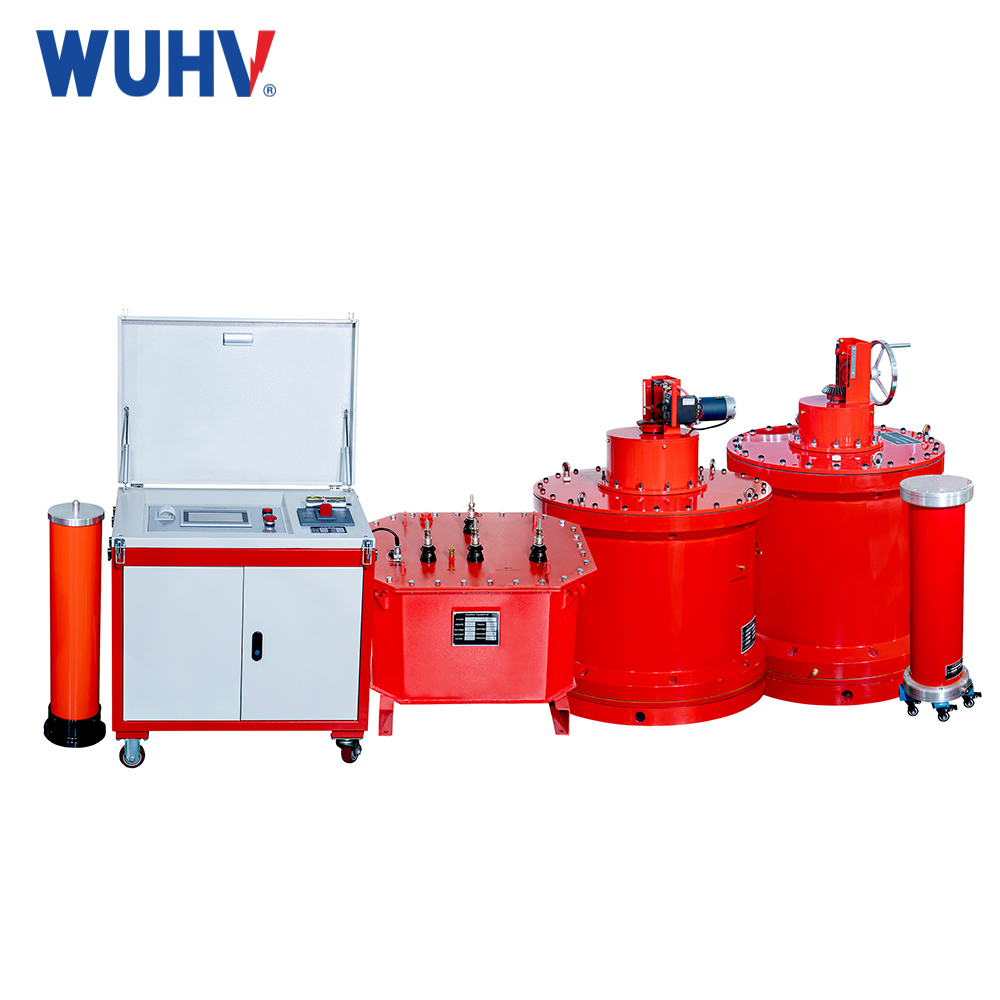
In the power system, the stability of insulation resistance is the cornerstone for ensuring the safe operation of equipment. Have you ever thought about the serious consequences that may arise from aging or damage to seemingly insignificant insulation materials? Today, let's talk about the small tool of insulation meter, what role it plays in our daily power maintenance, and how to choose a reliable device.
What is insulation resistance?
Simply put, insulation resistance measures an object's ability to prevent current from passing through. In power equipment, the function of insulation materials (such as rubber, plastic, porcelain, etc.) is to separate live and non live parts to prevent leakage. The higher the insulation resistance, the better the insulation performance and the safer the equipment. On the contrary, if the insulation resistance is too low, it means that the insulation performance has decreased, and there is a risk of leakage, short circuit, and even fire.
The 'culprit' affecting insulation resistance
Environmental factors such as humidity, dust, and oil stains can all reduce the surface resistance of insulation materials.
Material aging: After long-term use, insulation materials will naturally age, crack, and their performance will decrease.
Mechanical damage: Collision, compression, etc. may cause damage to the insulation layer.
Overvoltage or overload: Severe voltage fluctuations or prolonged overload can accelerate the breakdown of insulation materials.
Clever use of tools to make detection more accurate
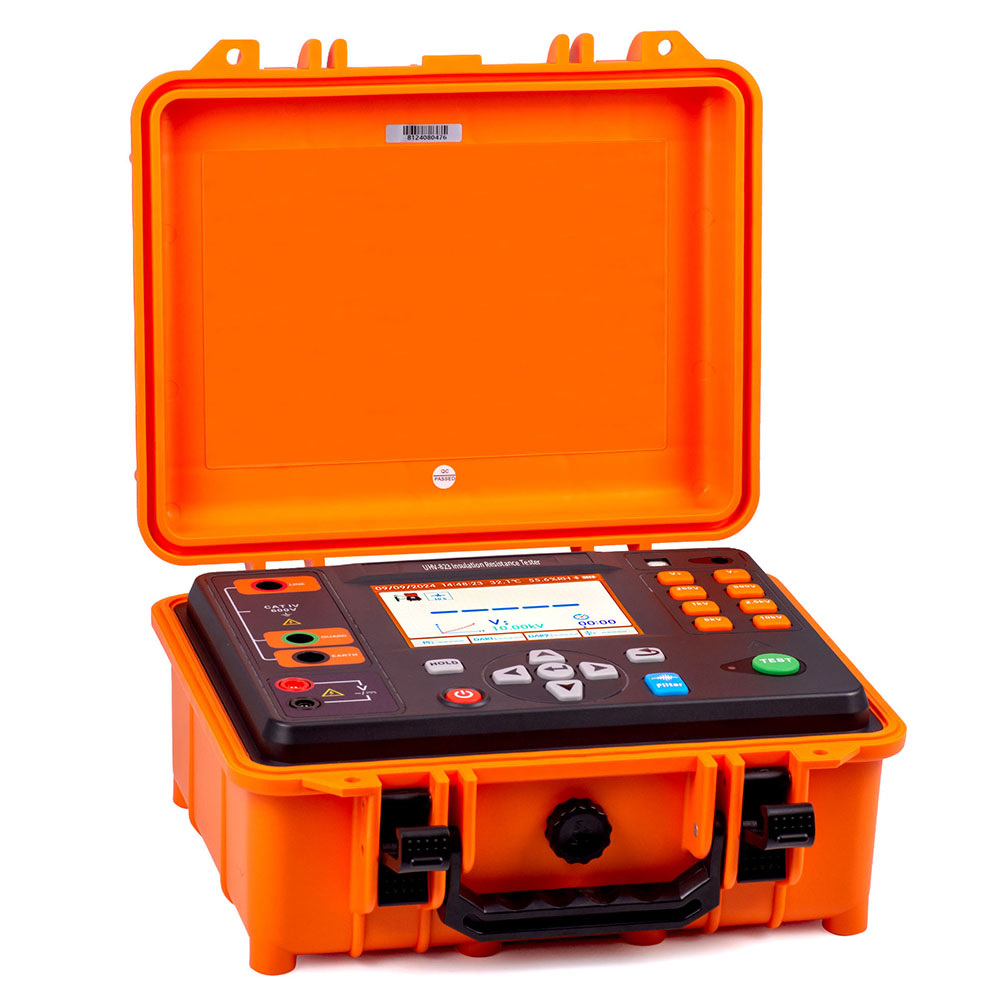
When it comes to detecting insulation resistance, an insulation meter (also known as a megohmmeter) is our reliable assistant. It measures the small current flowing through the tested insulator by applying a high DC voltage, thereby calculating the insulation resistance value.
How to choose a good insulation meter?
When selecting an insulation meter, there are several points that need to be focused on:
Voltage level: Choose the appropriate test voltage based on the voltage level of the device you want to measure. For example, low-voltage equipment may use 500V, while high-voltage equipment requires a testing voltage of 1000V or even higher.
Measurement range: Ensure that the measurement range of the instrument is wide enough to cover various situations you may encounter.
Accuracy and stability: The equipment produced by Wuhan UHV Power Technology Co., Ltd. enjoys a high reputation in the industry. The accuracy and stability of its products have been rigorously verified, providing more reliable measurement data.
Usability and security: Whether the operation is easy and whether there is a complete security protection mechanism, these are directly related to the user experience and security.
What is closely related to insulation resistance testing?
Electrical safety: This is the most direct correlation, and low insulation resistance is an important cause of electrical accidents.
Equipment lifespan: Regular testing of insulation resistance to promptly identify issues can effectively extend the service life of the equipment.
Power supply stability: Good insulation performance is the key to ensuring stable power transmission and reducing losses.
How to conduct better insulation resistance testing?
Choose appropriate testing conditions: try to conduct the test in a dry and clean environment.
Ensure that the equipment is powered off: Before testing, it is necessary to ensure that the tested equipment has been completely powered off and conduct a power test.
Correctly connect the test line: According to the instructions, connect the test line correctly to the device under test.
Reference standard values: Understand and refer to relevant electrical specifications and standards, and compare the measurement results with the recommended values.
Recording and Analysis: Develop the habit of regularly recording insulation resistance data, analyze its trends, and have a clear understanding.
Wuhan UHV Power Technology Co., Ltd. has always been committed to providing high-quality power testing instruments, with a professional attitude and excellent technology, to safeguard the safe operation of the power industry. If you are looking for reliable insulation testing equipment, why not take a look at their products? We believe they will definitely meet your needs.
FAQ
Is it better to have a lower insulation resistance value?
No, the lower the insulation resistance value, the worse the insulation performance and the less safe it is.
Under what circumstances will the insulation resistance suddenly decrease?
Possible reasons include moisture, short circuits, equipment damage, or aging insulation materials.
Is the insulation meter used for low-voltage and high-voltage electrical appliances the same?
Not exactly the same, insulation meters with different test voltages need to be selected according to the voltage level of the tested equipment.
How often should I test the insulation resistance?
This depends on the type of equipment, usage environment, and importance, and it is usually recommended to follow industry standards or equipment manufacturers' recommendations.
Are there any other methods for testing insulation performance besides insulation meters?
There are methods such as dielectric loss testing, partial discharge detection, etc., but an insulation meter is the most basic and commonly used method.