With the continuous expansion of power system construction scale, substations play an important role in energy transmission, distribution, and grid operation. The substation involves various electrical equipment such as transformers, high-voltage switchgear, transformers, relay protection devices, cables, and lightning arresters. It is necessary to conduct systematic and comprehensive electrical tests to ensure that these devices maintain good working condition before and during operation.
In recent years, with the continuous development of smart substations, new energy power stations, and transmission and distribution infrastructure projects, the demand for electrical testing equipment in substations has also been increasing in the market. For power engineering companies, substation operation and maintenance departments, power equipment manufacturers, and third-party testing agencies, choosing a complete Substation Testing Package not only affects the efficiency of on-site testing, but also directly affects the accuracy of equipment testing and project implementation progress.
Clarifying the scope of substation testing is the first step in equipment selection
Before purchasing substation testing equipment, it is necessary to first understand the voltage levels, equipment types, and testing tasks involved in the project. There are differences in equipment configuration among different substations, such as 35kV, 110kV, 220kV, and 330kV substations. The requirements for testing equipment in insulation testing, switch performance testing, and electrical parameter measurement are not completely the same.
If the project mainly involves transformers, it is necessary to focus on transformer ratio testers, DC resistance testers, insulation resistance testers, dielectric loss testers, and transformer oil testing equipment. If the project mainly focuses on high-voltage switchgear, it is necessary to configure circuit breaker characteristic testers, circuit resistance testers, and high-voltage switchgear mechanical characteristic testing equipment.
Therefore, a complete substation testing plan should not simply be configured according to the number of equipment, but should establish an equipment list based on actual testing items to avoid situations of duplicate equipment procurement or missing key testing items.
Transformer testing equipment is an important component of substation testing
Power transformers are one of the core equipment in substations, and their operational status directly affects the stability of the power supply system. In the process of transformer handover testing, preventive testing, and fault diagnosis, multiple professional testing instruments are required.
Common equipment includes transformer ratio tester, transformer DC resistance tester, transformer winding deformation tester, insulation resistance tester, dielectric loss tester, and transformer oil dielectric strength tester.
Among them, the transformer ratio tester is mainly used to check the transformer winding ratio, group, and related parameters; The DC resistance tester can be used to detect the DC resistance of windings, helping to determine whether there are abnormalities in winding connections and conductive circuits; The winding deformation tester is used to analyze whether the winding structure has changed.
For large-scale substation projects, a transformer comprehensive testing platform can be configured according to the transformer capacity and testing requirements to improve the organization efficiency of multiple tests.
High voltage switch and circuit breaker testing equipment cannot be ignored
High voltage circuit breakers, isolating switches, and other switchgear are responsible for the important tasks of power system control and protection. The mechanical performance of the equipment, the resistance of the conductive circuit, and the opening and closing time are all key considerations in substation testing.
When selecting complete testing equipment, circuit breaker characteristic tester, loop resistance tester, high-voltage switch dynamic characteristic tester, and high-voltage switch mechanical characteristic testing equipment can be considered.
The circuit breaker characteristic tester is mainly used to measure parameters such as opening and closing time, synchronicity, bounce time, and stroke. Circuit resistance testers typically use high current output to detect the resistance of switch contacts and conductive circuits.
For projects that require relay protection system testing, a relay protection tester should also be configured to verify the action logic, action time, and related electrical parameters of the protection device.
The testing equipment for transformers and lightning arresters needs to be configured according to the project requirements
Current transformers and voltage transformers are important components of substation measurement, metering, and relay protection systems. The transformation ratio, polarity, excitation characteristics, and related electrical parameters of the transformer will affect the measurement results and the reliability of the protection system.
Common testing equipment includes CT/PT comprehensive tester, transformer ratio tester, volt ampere characteristic tester, and transformer polarity testing equipment.
For lightning arrester detection, a zinc oxide lightning arrester tester can be configured to measure resistive current, total current, and related electrical parameters to assist in determining the operating status of the lightning arrester.
During the equipment procurement process, attention should be paid to the functional range of different testing instruments. Some CT/PT comprehensive testers can complete multiple transformer tests, which can reduce the number of instruments carried on site, but it is still necessary to confirm whether their functions meet the project requirements based on actual testing requirements.
High voltage insulation testing equipment should cover different test objects
The busbars, cables, GIS equipment, transformers, and other high-voltage electrical equipment in the substation all involve different types of insulation performance tests. Therefore, a complete testing equipment plan should also consider the configuration of high-voltage testing equipment.
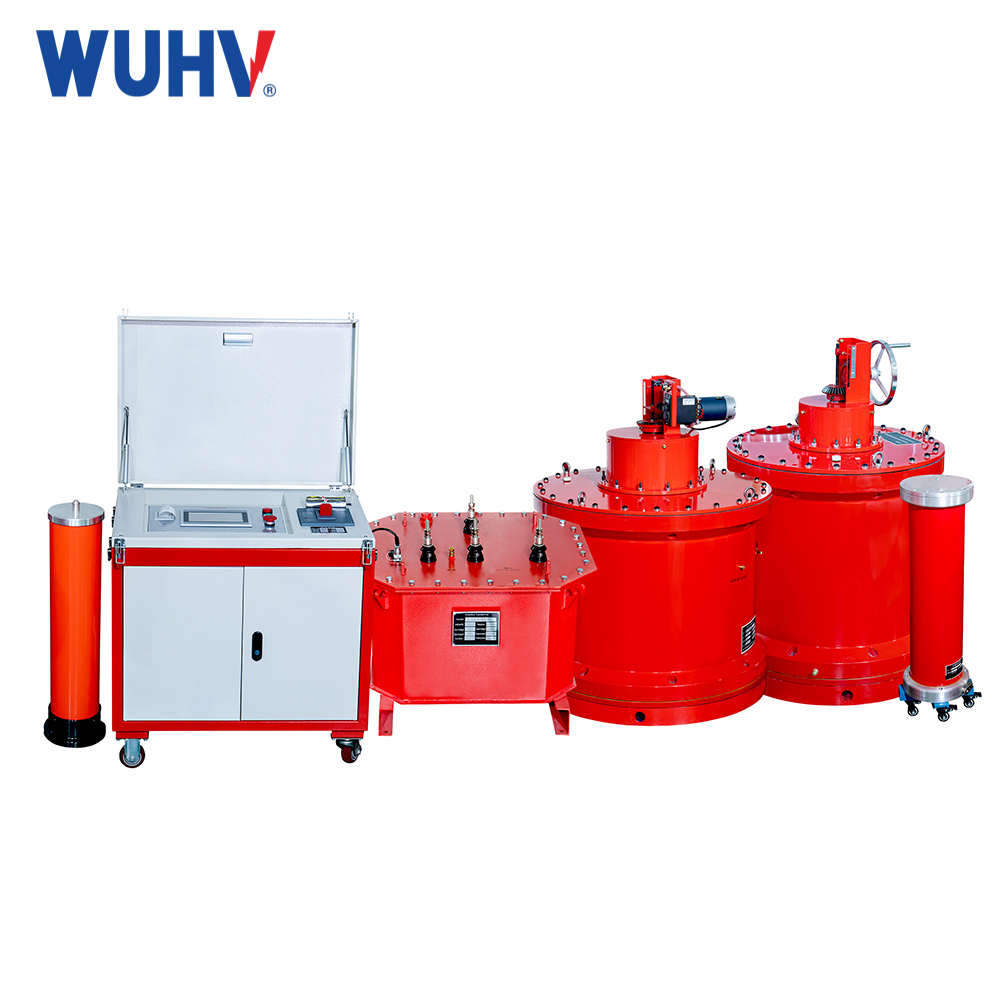
Common equipment includes series resonance test device, power frequency withstand voltage test equipment, DC high voltage generator, ultra-low frequency high voltage generator, and partial discharge detection equipment.
Elseries resonance test device is mainly used for power cables GIS、 AC voltage withstand test for busbars and other large capacity electrical equipment. DC high voltage generators can be used for DC high voltage testing of applicable objects, while ultra-low frequency high voltage generators are commonly used for insulation withstand voltage testing of specific power cables.
For substation projects with high insulation testing requirements, partial discharge detection systems can be added according to the test plan to further analyze the insulation status of the equipment.
It should be noted that there are differences in the testing methods and standards applicable to different equipment, and all high-voltage insulation testing equipment cannot be considered as interchangeable products.
The compatibility of equipment and on-site operational capability are equally important
A complete set of substation testing equipment should not only cover the main test items, but also consider the on-site usage conditions of the equipment.
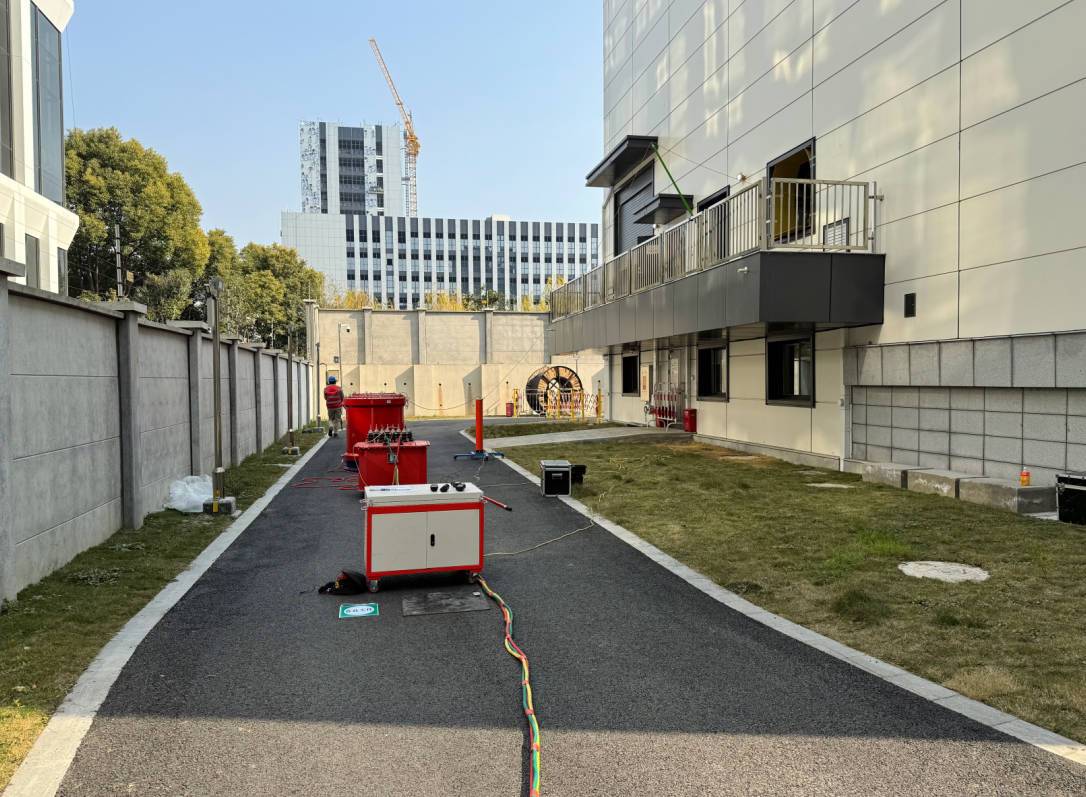
Substation testing usually involves multiple work areas, and some equipment needs to be used in outdoor environments. Therefore, the volume, weight, power supply method, anti-interference ability, and transportation convenience of the instruments are worth paying attention to.
For users who require frequent on-site testing, portable testing equipment can be given priority consideration. For units with multiple experimental projects that require centralized data management, attention can be paid to equipment with automatic testing, data storage, report generation, and computer communication functions.
In addition, there may be differences in data formats, software operation methods, and supporting accessories between devices from different manufacturers. Before procurement, it should be confirmed whether the equipment is equipped with necessary testing lines, power lines, grounding wires, specialized fixtures, and operating software to avoid affecting the testing progress due to incomplete accessories after the equipment arrives at the site.
After sales service and technical support are also important factors in procurement
Substation testing equipment usually has strong professionalism, and equipment delivery does not mean the end of procurement work. Installation guidance, operation training, technical consultation, equipment calibration, and post maintenance are all aspects that users need to consider.
Especially for products with strong systematization such as series resonance test devices, partial discharge detection equipment, and transformer comprehensive testing equipment, whether the manufacturer has mature technical support capabilities will affect the efficiency of subsequent projects.
For overseas buyers, attention should also be paid to the supplier's export experience, product technical information, English operation manuals, remote technical support capabilities, and spare parts supply situation. Choosing manufacturers who can provide a variety of substation testing equipment and supporting technical services can help reduce communication costs between different suppliers.
Develop a complete testing equipment plan based on project requirements
Choosing the Complete Substation Testing Package is not about purchasing a fixed set of instruments, but rather about developing a reasonable combination of testing equipment based on the voltage level, equipment type, testing standards, and on-site working conditions of the substation.
For conventional substation projects, the focus should be on covering the detection requirements of equipment such as transformers, high-voltage switches, transformers, lightning arresters, and relay protection; For large substations, booster stations, and new energy grid connected projects, further consideration needs to be given to cable withstand voltage, GIS insulation testing, partial discharge detection, and other specialized tests.
Wuhan UHV Power Technology Co., Ltd. has long been dedicated to the research and production of power testing equipment, with products covering high-voltage testing equipment, transformer testing equipment, transformer testing equipment, circuit breaker testing equipment, and relay protection testing equipment. It can provide a variety of equipment options for substation handover testing, preventive testing, and power equipment testing.
With the increasing demand for substation construction and power equipment testing, the procurement of testing equipment is gradually shifting from single instrument purchase to systematic configuration. Clarifying the testing items in advance, reasonably matching testing equipment with different functions, and attaching importance to product quality and technical services will help users establish a more complete and efficient substation electrical testing system.